One of the most common misunderstandings about Montessori education surrounds the freedom we give the children in our care. Generally speaking, once prospective parents actually step inside our Bellevue classrooms and observe what really goes on during a morning work cycle, those misconceptions quickly disappear.
It is true that anyone can claim to be a "Montessori" school, which is why maintaining strict fidelity through trained guides (affiliated with major organizations like AMS) and an intentionally prepared environment is so critical.
Authentic Montessori philosophy relies heavily on freedom of choice balanced with appropriate limits. Achieving this delicate balance gives young children a profound sense of dignity, empowerment, and genuine capability. Children deserve respect, and when we provide it in developmentally supportive ways, their natural drive to learn unfolds joyfully.
Here is how freedom within limits works in our classrooms—and how you can bring these same strategies into your home.
1. The Physical Boundaries of the Environment
In our classrooms, every physical detail is intentional. We want children to move freely, but in ways that are calm, safe, and respectful of their peers.
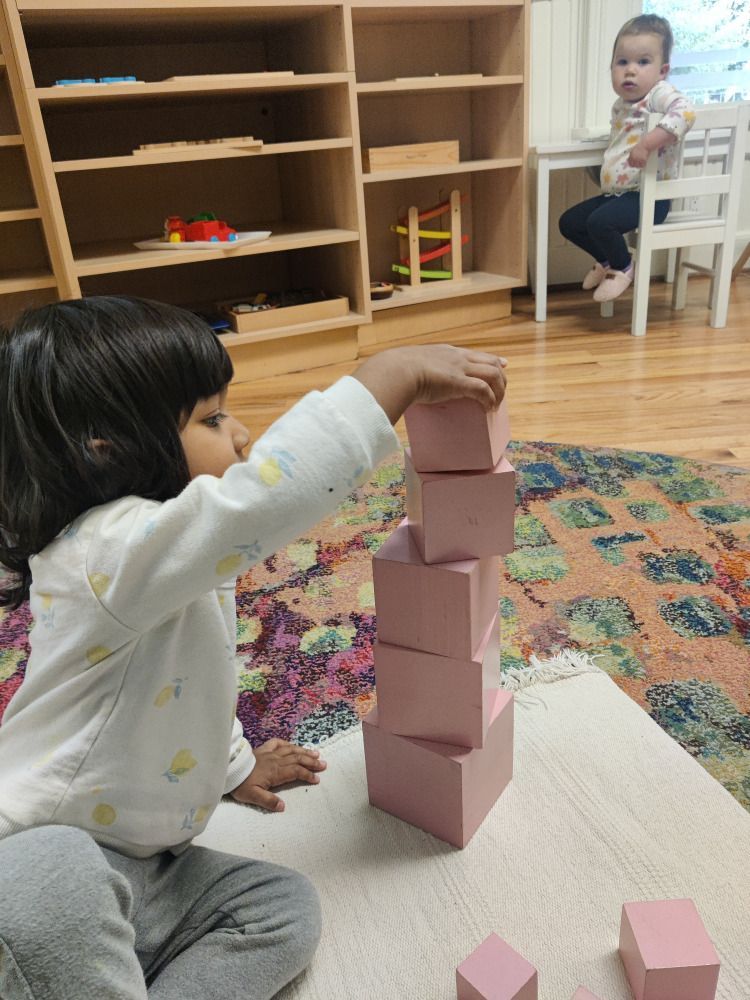
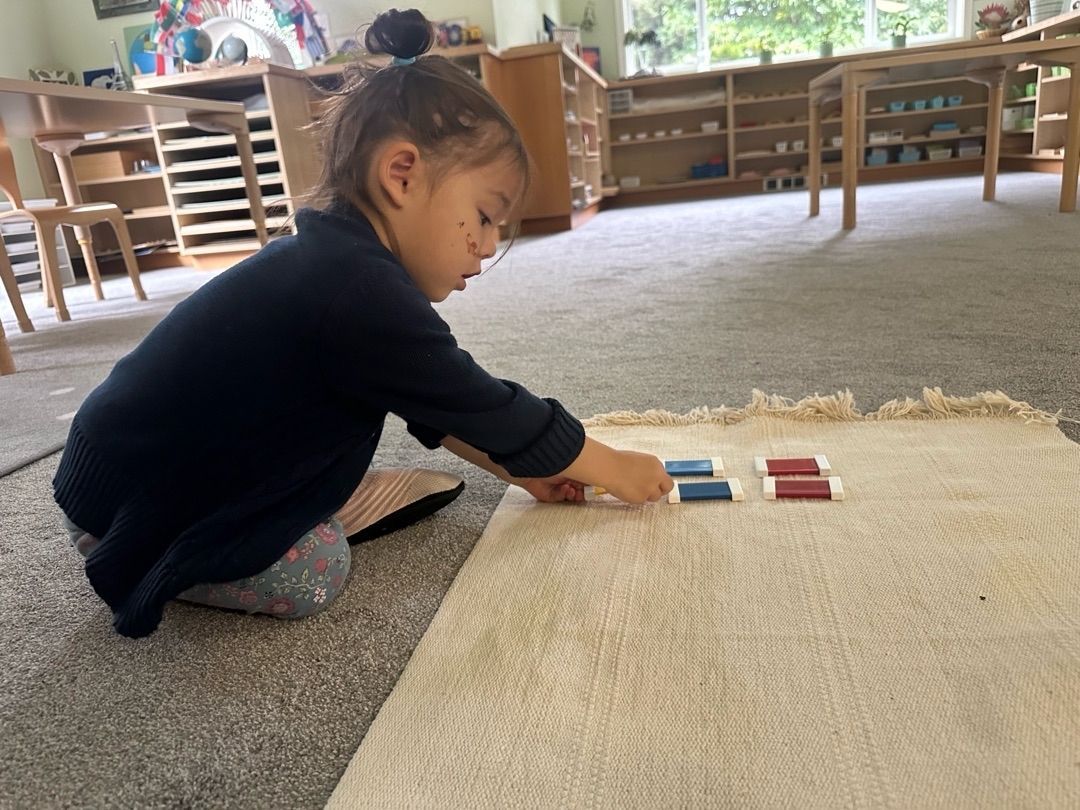
- In the Classroom: Low wooden shelves housing tactile learning materials are strategically arranged to guide movement and prevent wide-open running spaces indoors. We teach children how to carry trays carefully, walk with light feet, and respect their classmates' workspace.
- In Nature: Freedom of movement belongs outside! On our natural outdoor grounds—complete with real grass, fruit trees, and garden beds—children have the physical freedom to run, dig, observe nature, and engage their big muscle groups safely.
2. Choosing What to Work On
As adults, we dislike being micromanaged—and young children feel the exact same way. Autonomy builds confidence.
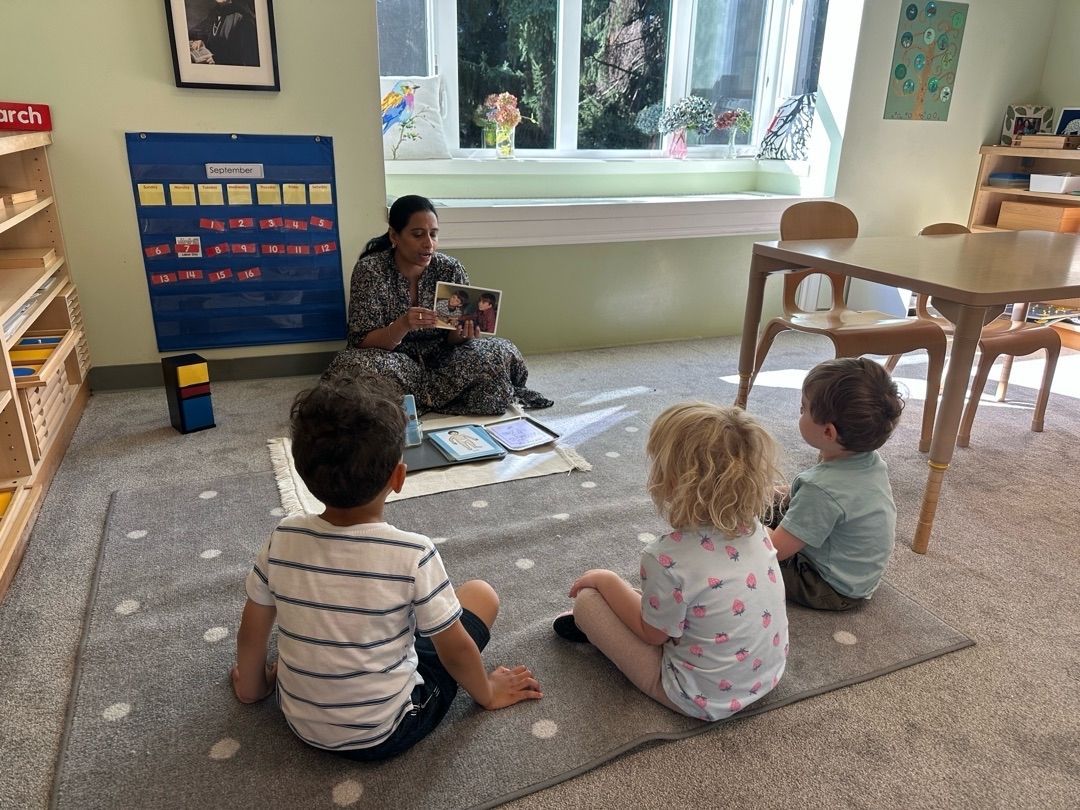
During the primary years (ages 3 to 6), children receive individualized or small-group presentations on how to work with specific Montessori materials. During their uninterrupted independent work block, they are free to choose which of those presented works to repeat, for how long, and in what order. This internal drive allows them to master skills naturally without being forced into a rigid, one-size-fits-all lesson plan.
3. Honoring Personal Health Needs
We believe children shouldn't have to ask for adult permission to address basic bodily needs. Listening to internal physical cues is an essential building block of self-regulation.
In our classrooms, even our youngest students learn to care for themselves independently:
- Self-Serve Snack: Children visit the snack table when they feel hungry, serve themselves, and clean up their space when finished.
- Hydration: Water cups are accessible on low shelves, and children learn how to wipe up small spills if they occur.
- Restroom Independence: Accessible facilities allow children to use the bathroom on demand without interrupting a whole-class activity.
4. Offering Win-Win Options
Want to give your child autonomy while still maintaining necessary boundaries? Offer "win-win" options. This works beautifully at school, and it is a game-changer for parents at home:
- "Would you like to put on your shoes or your coat first?"
- "I need help preparing the table. Would you like to carry the napkins or place the spoons?"
- "It’s almost bedtime. Would you prefer to read a story in the rocking chair or in bed?"
Parent Tip: Keep options limited (two choices is usually best for young children) to avoid choice overload.
5. Guidance, Observation, and Partnership
Freedom in Montessori is never "free-for-all" chaos; it is supported by active, observational guidance.
When a child repeatedly avoids a particular subject or material—perhaps a math presentation or fine-motor task—our trained guides observe closely to find out why. Is the work too challenging? Is it no longer engaging? Through gentle check-ins and re-presentations, we guide the child through the obstacle, keeping them feeling supported rather than pressured.
By building clear, loving boundaries, we help children develop the inner discipline, independence, and self-respect they carry with them for a lifetime.
Want to see freedom within limits in action?
We invite you to
schedule a private tour of our Bellevue campus to see how our calm, home-like environment inspires joyful learning.
Contact us today to connect!